
When Pamela Leslie rowed on the Potomac in the 1970s, her coaches required athletes to get tetanus shots before launching. Fifty years later, after 243 million gallons of raw sewage poured into the same river this January, her rowing program formed a committee to monitor water quality independently — because DC Water's assessments alone weren't enough.
"Water quality has always been a concern," Leslie said.
Some of the pipes carrying Washington's sewage have been in the ground since 1863. In January, one of them broke.
"We think it's very important to have an outside perspective on the cause of this particular collapse," said Katie Blackman, vice president of strategic programs and partnerships at the Potomac Conservancy, which has called for an independent investigation. She said understanding the root cause is essential to ensure "systemic changes to make sure it doesn't happen again."
On Jan. 19, a 72-inch interceptor pipe collapsed along the Clara Barton Parkway and sent raw sewage pouring into the Potomac, prompting an emergency response from DC Water and federal agencies. The spill was one of the largest in U.S. history. Emergency repairs were completed on March 14, and the U.S. Army Corps of Engineers has assured the public that it continues to conduct daily water quality tests. Officials say drinking water remains safe.
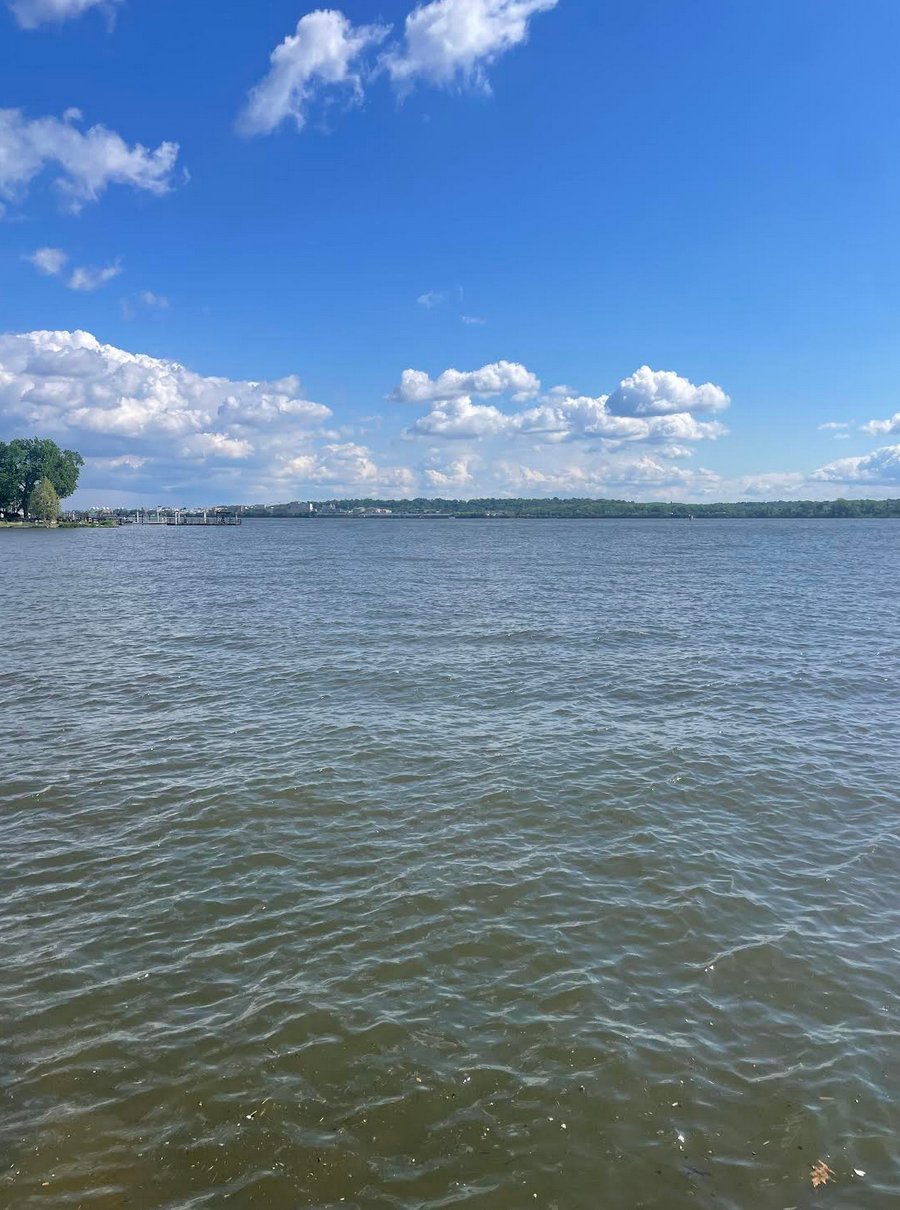
But a Washington Post investigation published in early April showed that DC Water had identified corrosion in that exact same section of pipe as far back as 2018, and had requested that the National Park Service fast-track approval for repairs. Washington's Park Service required a full environmental assessment, citing concerns about a blue wildflower and an endangered bat species. The review was still incomplete when the pipe collapsed seven years later.
DC Water's own documents warned that leaving the corrosion unaddressed could "result in a catastrophic failure, leading to the release of raw sewage into the soil, groundwater and waterways." That is exactly what happened. At a March 2 DC Council hearing, DC Water CEO David Gadis said the section had been rated only "moderate" for risk.
The collapse also revealed a major gap in how the District addresses its water systems. DC Water is legally required under a federal decree to complete its $3.1 billion Clean Rivers Project — a network of underground tunnels designed to capture excess sewage during heavy rainfall and redirect it for treatment. The Potomac River Tunnel, one of its largest components, began construction in mid-April and is not expected to be complete until at least 2030.
The Clean Rivers Project addresses overflow. It does not replace the pipes that carry sewage every day. The pipe that broke in January belongs to this older network of daily-use infrastructure, and no federal mandate requires its replacement.
Even as new tunnels are built to manage overflow, the system still relies on aging pipes to carry wastewater to those collection points. If those pipes fail, the benefits of the new system might never be realized.
Public records from Washington's open data portal show that sewer infrastructure still in service dates back to the 19th century. DC Water's broader $9.6 billion capital improvement program does include ongoing repairs and replacements, but those efforts are shared across projects and neighborhoods, with no single publicly accessible timeline for addressing the system's oldest components.
For Alexandria residents, the fragmentation is visible at the street level. Emily Ramage Ross Koch, a longtime resident, said she knows of at least ten homes on her block alone that have recently replaced their service sewer lines — repairs that often cost homeowners more than $20,000 out of pocket, even with water line insurance.
"The main ones are definitely not getting the attention they need," Ramage Ross Koch said.
The Potomac Conservancy has been urging DC Water to publicly identify other vulnerable points in the system. Without transparency and better public communication, Washington-area residents have little way of understanding where similar failures could occur.
For the people who actually live with the river — the rowers, the coaches, and the residents whose sewer lines keep collapsing — the concern is neither theoretical nor abstract. Leslie's rowing program is prepared to adjust its training protocols as needed. Ramage Ross Koch's neighbors keep paying out of pocket to patch what the city hasn't replaced. The Potomac's recreational season is beginning. The tunnel project, when complete in 2030, will address overflow — but not the aging pipes still carrying sewage beneath the parkway today.